
Last updated November 2, 2026
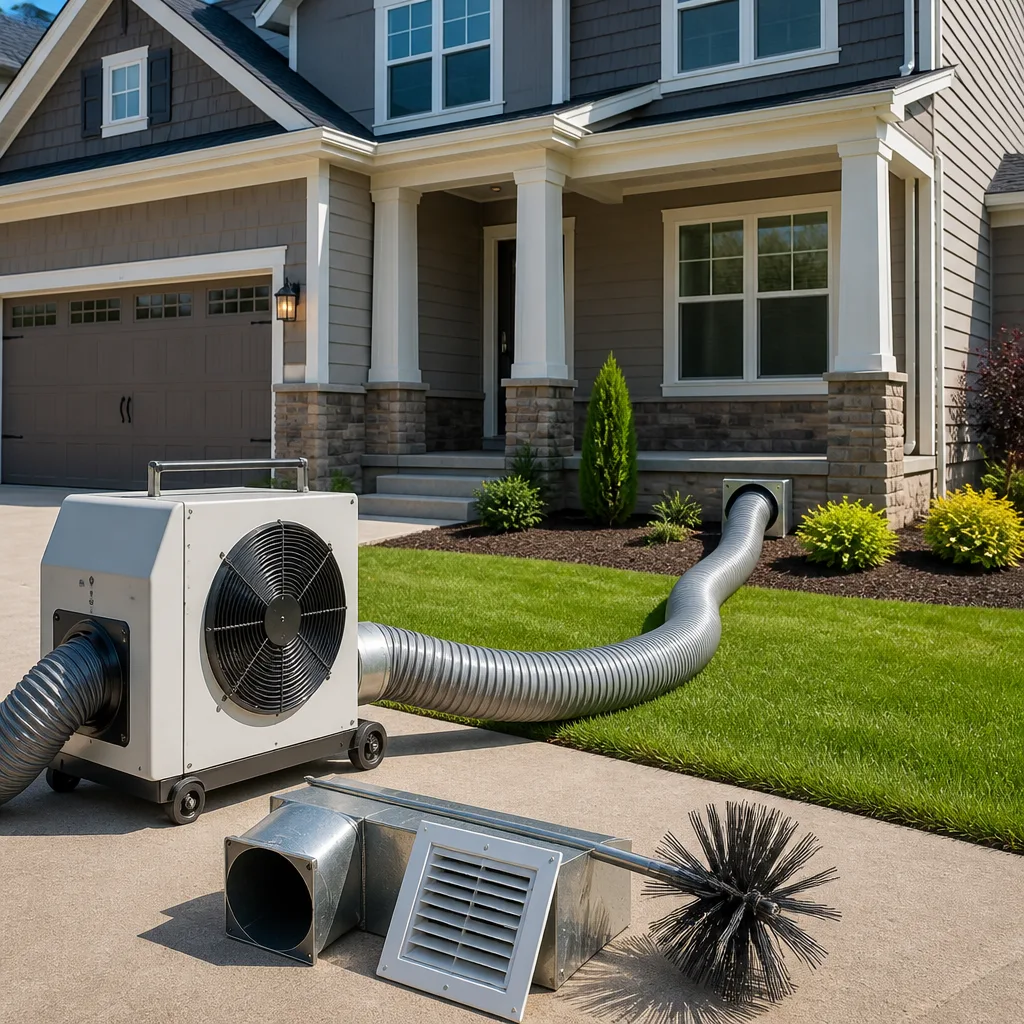 Whole-home duct cleaning
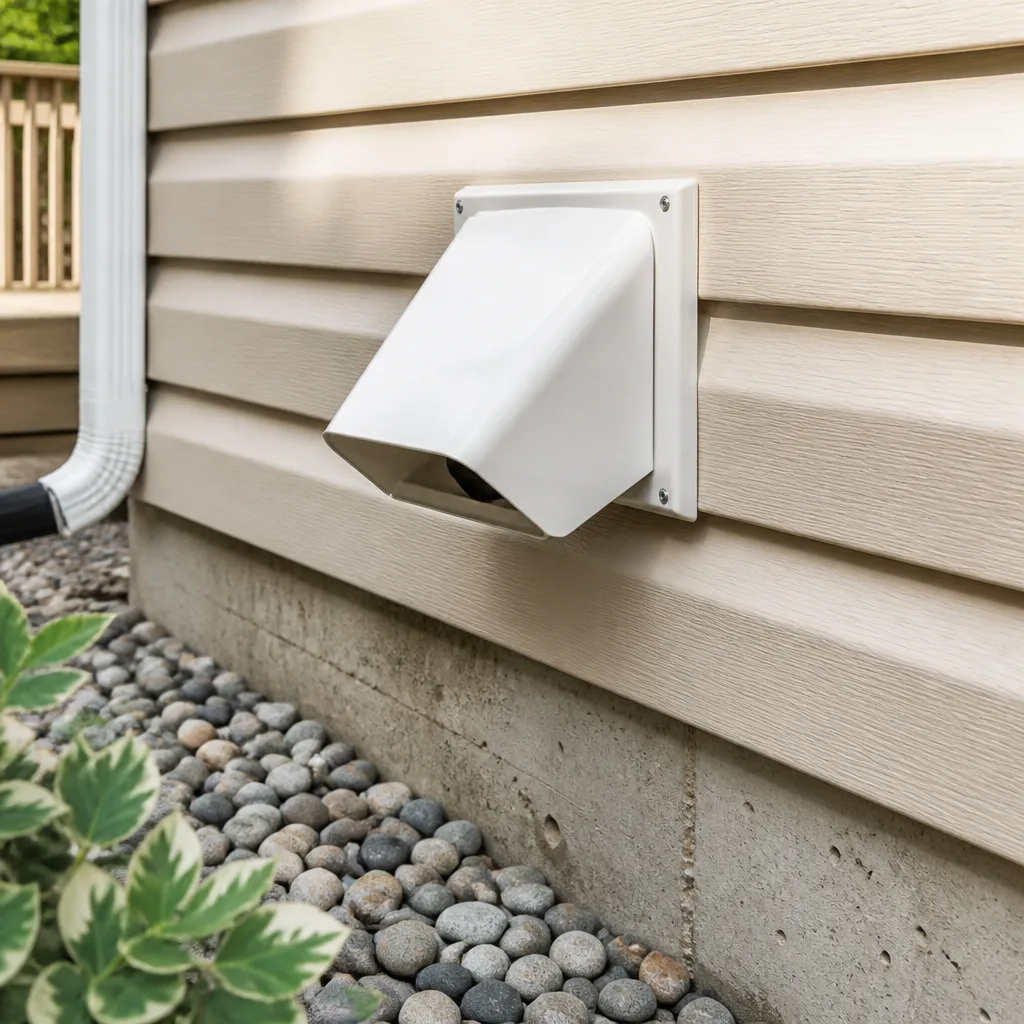 Dryer vent cleaning
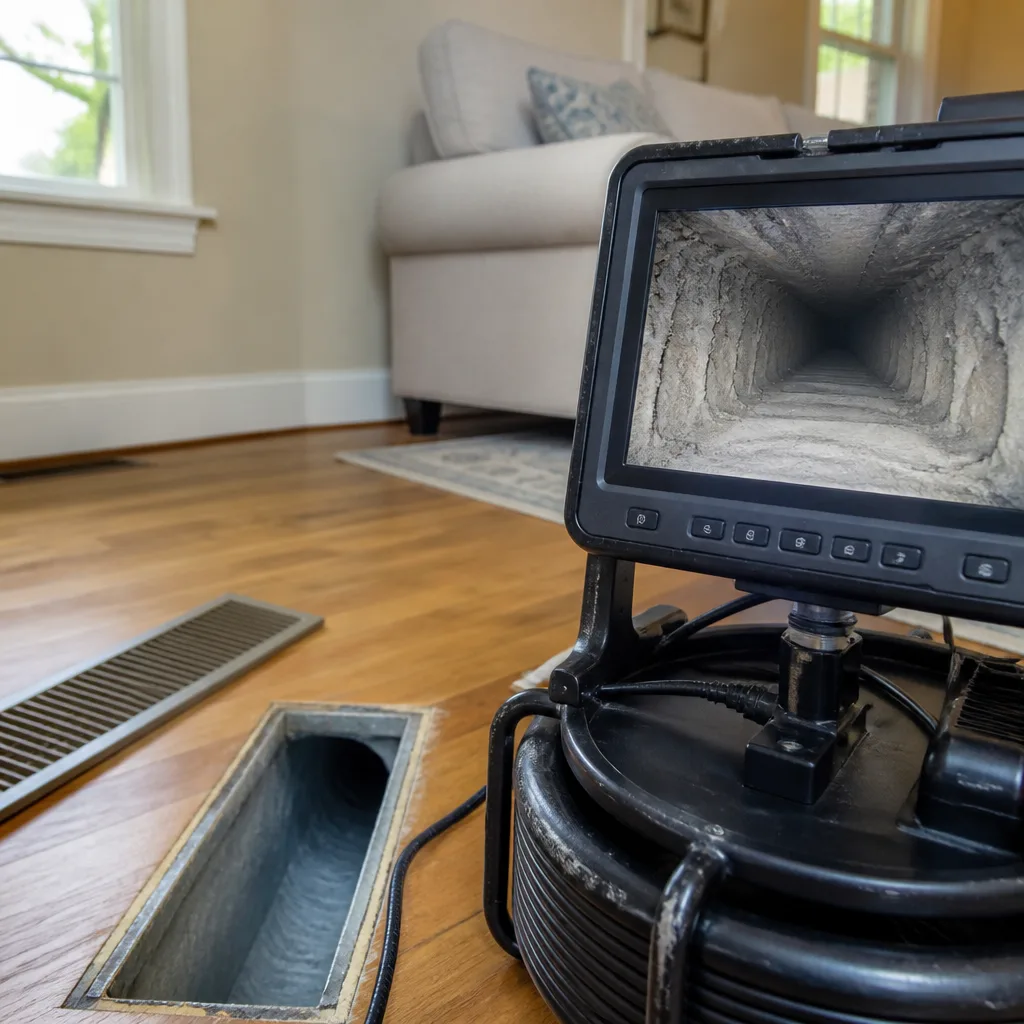 Camera inspection
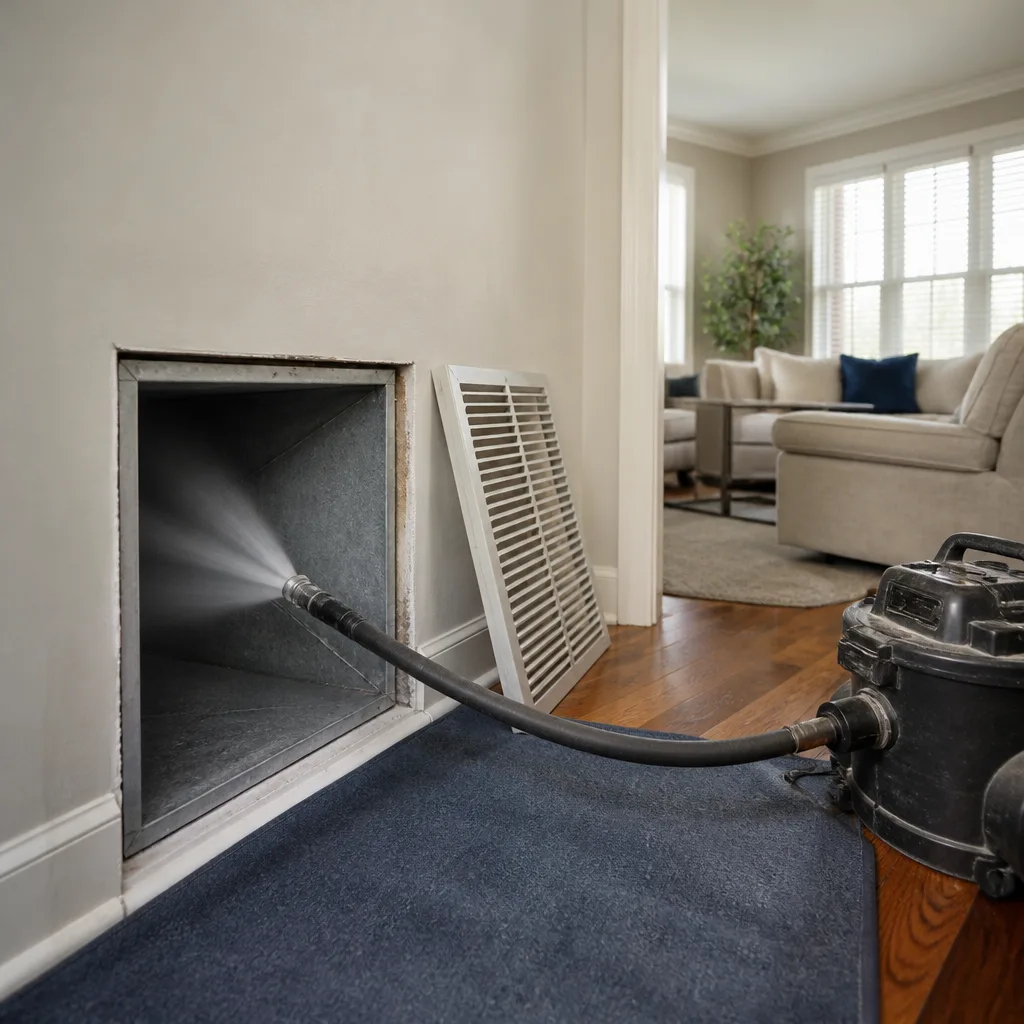 Sanitizing & deodorizing
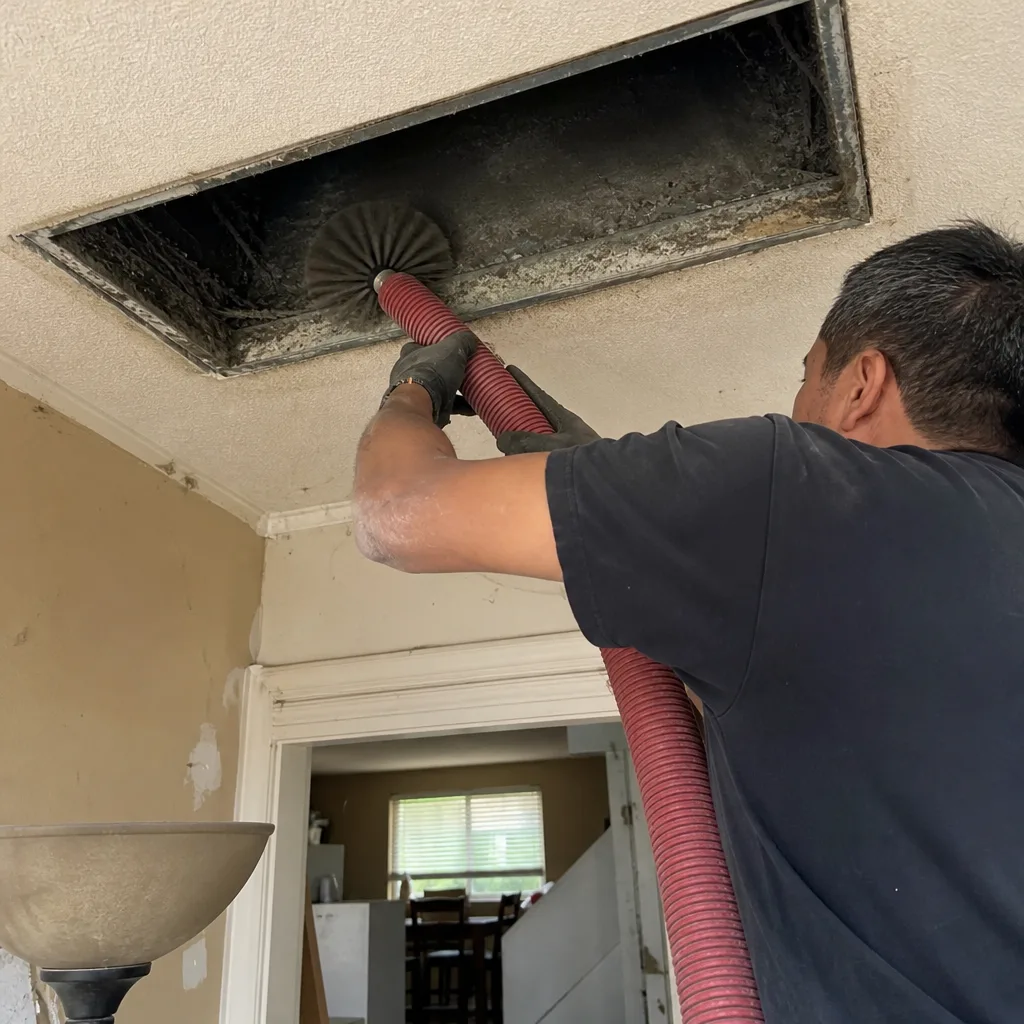
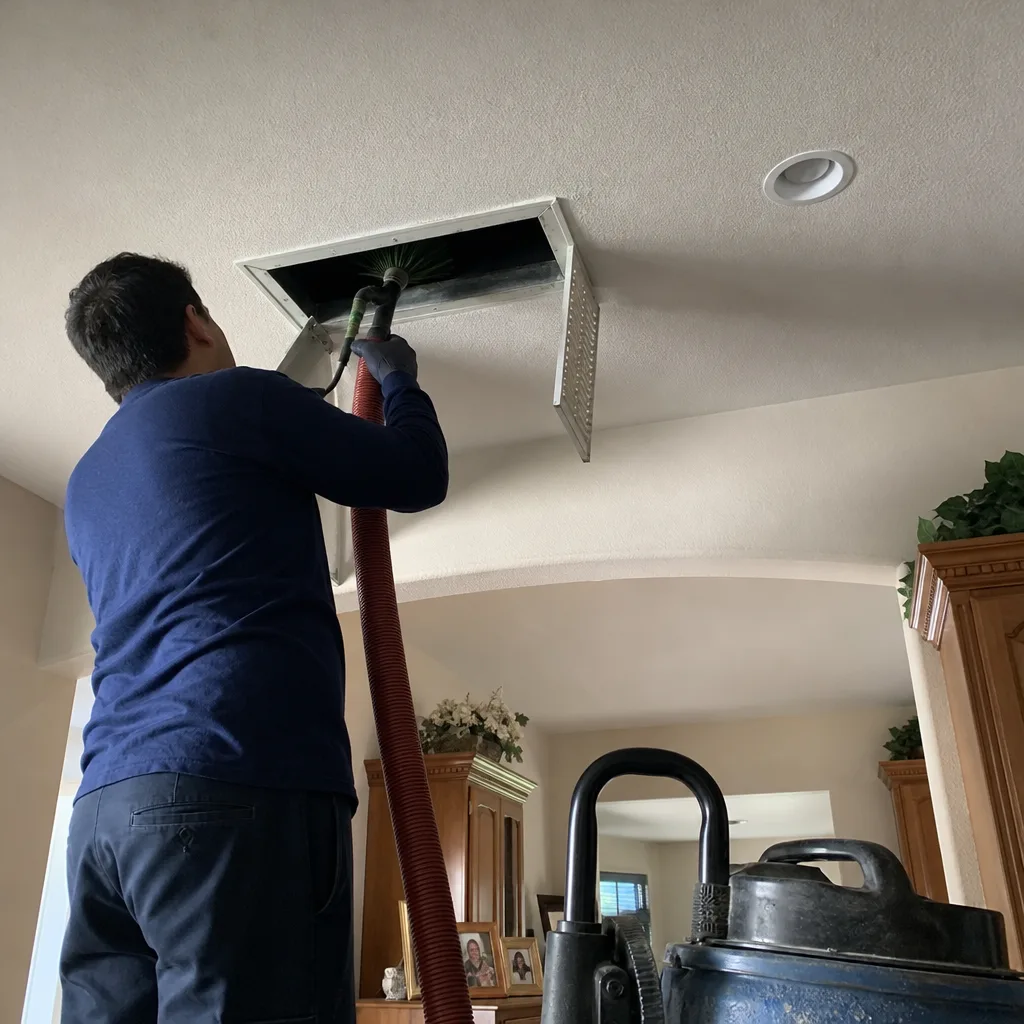
Whole-system duct and dryer vent check with before-and-after photos - you see exactly what came out of your vents
That "$99 whole-house special" is a bait ad - the real number appears once they are in your hallway, or the "clean" is a shop-vac at the register. We photograph the inside of your ducts before and after instead.
DIY vs Professional Air Duct Cleaning: The Perris Homeowner’s Decision Guide
A standard shop vac pulls roughly 150 CFM of suction. A truck-mounted professional negative-air machine pulls 3,000 to 5,000 CFM with the entire duct system sealed under vacuum. That is not a difference in effort or elbow grease. That is a difference in physics, and it decides whether the dust in your Perris ducts leaves your home or simply gets stirred around inside it. This guide explains what DIY duct cleaning can genuinely accomplish, where it fails, and how to decide which route fits your home in Perris.
Styles & brands we work with
- Whole-home duct cleaning
- Dryer vent cleaning
- Camera inspection
- Sanitizing & deodorizing
Quick Answer
DIY air duct cleaning in Perris works for surface-level tasks like register face cleaning and visible return-grille vacuuming, but it cannot remove the fine particulate, construction debris, and embedded dust that professional negative-air equipment with brush agitation extracts. If your ducts have not been professionally cleaned in 5 or more years, or if anyone in the home has allergies, asthma, or respiratory sensitivity, a professional cleaning is the only approach that actually removes contaminants instead of redistributing them.
Table of Contents
- The CFM Gap: Why Equipment Physics Decides the Outcome
- What DIY Duct Cleaning Can Actually Do in Perris
- Where DIY Duct Cleaning Fails Completely
- How Professional Duct Cleaning Equipment Actually Works
- Safe DIY Maintenance Tasks Between Professional Cleanings
- When DIY Attempts Make the Problem Worse
- The Perris Homeowner Decision Matrix
- Common Mistakes to Avoid
- When to Call a Professional
- Frequently Asked Questions
- The Bottom Line
The CFM Gap: Why Equipment Physics Decides the Outcome
CFM stands for cubic feet per minute. It measures how much air a vacuum or blower moves through the system every sixty seconds. The number matters more than any marketing claim because air movement is the mechanism of duct cleaning. Air moving through a duct must travel fast enough to lift debris off the duct walls and carry it all the way out of the home. When the air moves too slowly, heavier particles settle back down before they reach the collection point.
A consumer shop vac generates roughly 100 to 200 CFM. Even a high-powered consumer model tops out near 250 CFM at the nozzle, and that number drops significantly when you attach a long hose and push it deep into a duct run. The air velocity inside the duct itself drops even further because the diameter of the duct is wider than the hose, which slows the air mass down. By the time that shop vac air reaches the middle of a 25-foot duct run in a Perris home, it is moving barely fast enough to lift dust bunnies, let alone the fine sediment that has been adhering to the duct walls for years.
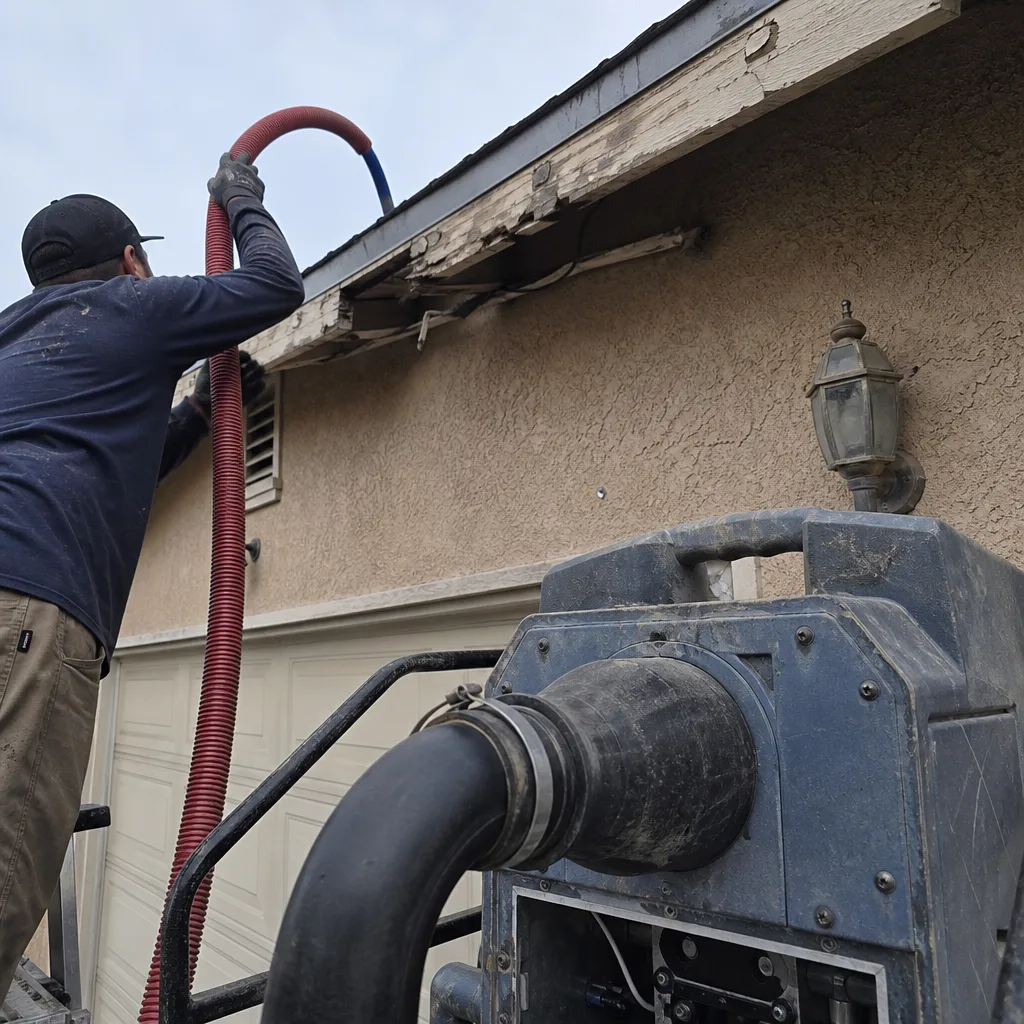
A professional truck-mounted unit, by contrast, pulls 3,000 to 5,000 CFM through the entire duct system at once. The duct system is sealed under negative air pressure, meaning the machine is sucking air out of every supply and return register simultaneously. That sustained negative pressure keeps dislodged particles suspended in the airstream until they reach the HEPA-filtered collection system outside the home. In our experience cleaning systems across Perris, the difference shows up immediately: a professional extraction removes the fine gray coating that covers duct walls after years of desert dust infiltration, while a shop vac merely moves the loose top layer around.
Perris sits in the San Jacinto Valley, where airborne dust from the Lake Perris area and agricultural land to the east settles onto everything, including the inside of your ductwork. That dust is exceptionally fine, and fine particulate does not respond to low-CFM agitation. It needs high-velocity air movement to be lifted from surfaces and extracted. The equipment gap is not about convenience or professionalism. It is about whether the job is physically possible with the tool in hand.
What DIY Duct Cleaning Can Actually Do in Perris
We are not here to tell you that DIY duct work is worthless. That would be dishonest. There are specific, limited tasks a Perris homeowner can do with consumer equipment that genuinely improve air quality and system performance. The key is understanding exactly where those tasks start and stop.
Register Face Cleaning
The metal or plastic grilles that cover your supply and return openings collect a visible layer of dust and hair on the exterior face. Unscrewing the register, vacuuming the face with a brush attachment, and wiping it down with a damp cloth is a legitimate maintenance task. It takes minutes, requires no special equipment, and keeps the visible parts of your system from looking neglected. This is the face of the register only, not the duct behind it.
Return Air Grille and Filter Slot Vacuuming
The return air grille, typically a large louvered panel in a hallway or living area, pulls dust-laden air toward your HVAC system. The area immediately behind the grille, including the filter slot, accumulates a visible dust layer. Removing the grille, vacuuming the accessible filter slot area with a hose attachment, and cleaning the grille itself is a reasonable DIY task. This is the first 12 to 18 inches of the return path. Beyond that point, the duct turns and runs into wall cavities and attic spaces where a consumer vacuum cannot reach effectively.
Dryer Vent Brushing from the Exterior
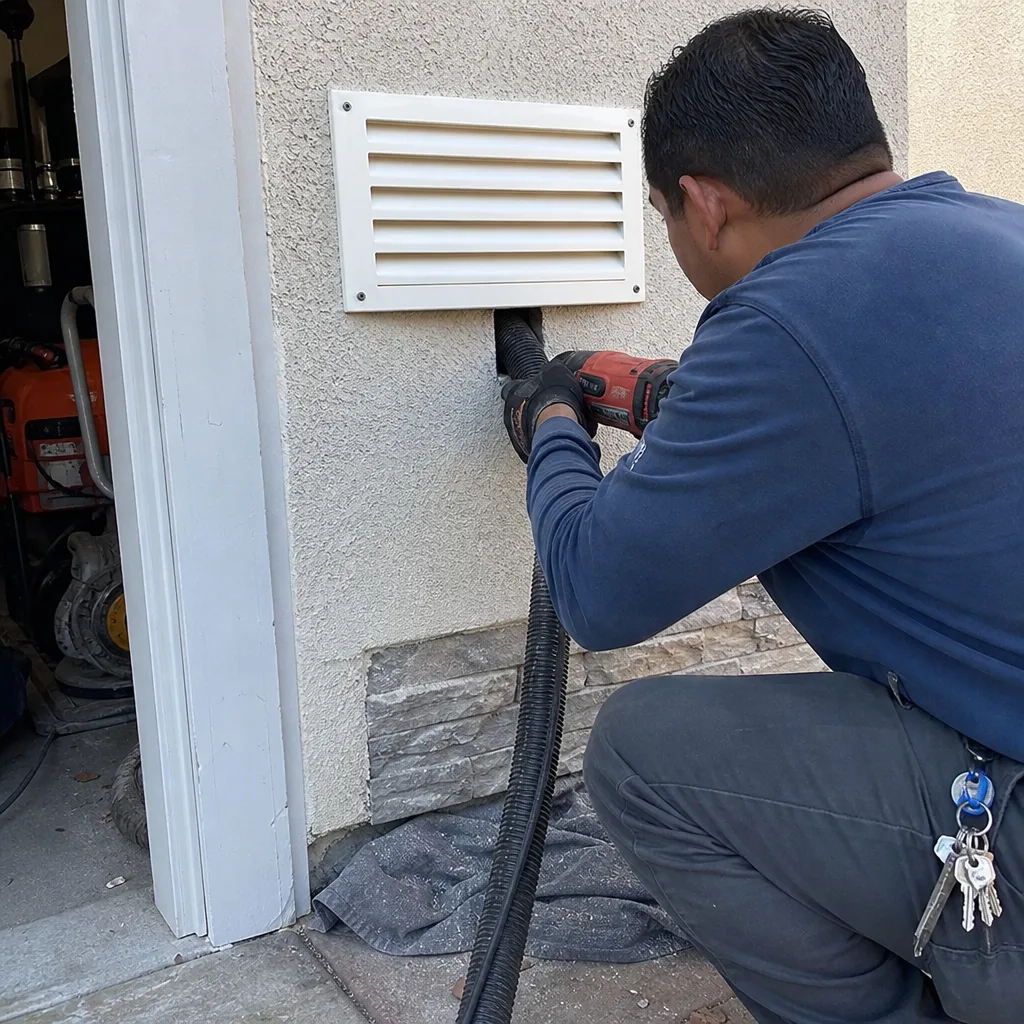
Perris homeowners can purchase a basic dryer vent brush kit from any hardware store. The kit includes a flexible rod with a round brush head that can be inserted through the exterior dryer vent hood and worked back and forth to dislodge lint. For short, straight dryer vent runs that exit directly through an exterior wall, this is a functional maintenance task. For longer runs, those with 90-degree elbows, or runs that pass through attic spaces common in older Perris homes, the brush kit cannot reach the full run and can actually compact lint into the elbows. Those systems need the full-length rotary brush and HEPA extraction that a professional service uses, which is why dryer vent cleaning requires its own dedicated professional process.
Visual Inspection
One genuinely valuable DIY task is looking at your system. Remove a supply register in a high-traffic room and shine a flashlight into the duct. Look at the walls. If you see a thick gray or brown coating, visible debris, or what appears to be mold growth, you now have information. You know the system needs professional attention, and you know why. That inspection costs nothing and tells you whether a professional cleaning is necessary or merely beneficial. This is also the point where our Air Duct Cleaning in Perris service becomes relevant, because what you see in that first few inches is typically just the beginning of what sits deeper in the system.
Where DIY Duct Cleaning Fails Completely
The honest limitation of consumer equipment is reach. A shop vac hose can extend 8 to 10 feet into a straight duct run, but the actual agitation and suction power diminishes with every foot. The hose itself is typically 2 to 2.5 inches in diameter, meaning it only contacts a small fraction of the duct wall surface in a standard 6-inch or 8-inch residential duct. You can push the hose in, twist it around, and pull it back, and you will remove some loose debris near the opening. The rest of the duct remains untouched.
The Fine Particulate Problem
The dust that matters most for indoor air quality is not the visible dust bunnies. It is the fine particulate, often under 10 microns, that floats in the air and gets pulled into your lungs. This is the dust that triggers allergy symptoms and aggravates asthma, and it is prevalent in Perris because of the valley’s dry, dust-heavy climate. Fine particulate adheres to duct walls through static charge and moisture from humidity cycles. A low-CFM vacuum does not generate enough air velocity to break that bond. The particles stay put while the vacuum removes only the loose, large debris. When you compare that to the outcome of professional cleaning, the difference is not in effort; it is in what actually leaves the system.
Deep System Contamination
Duct systems in Perris homes frequently contain more than household dust. Construction debris from original home building or renovations, pet hair that has worked deep into the runs, insect casings, and in some cases rodent droppings in attic ductwork all sit in places a consumer vacuum cannot reach. These contaminants are embedded in the duct or collected in low points where the duct sags. Removing them requires professional equipment that can reach every linear foot of the system, not just the first few feet past the register.
Containment During Cleaning
When you agitate dust inside a duct with a shop vac, the vacuum only captures the air directly entering the hose nozzle. The rest of the dust becomes airborne and circulates through the living space. This is the exact opposite of what a professional cleaning does. Professional equipment creates negative pressure on the entire system so that every particle dislodged during agitation is pulled toward the collection unit, not pushed into your living room. This containment difference is especially important in Perris homes where windows are closed for much of the summer to keep the heat out, meaning any airborne dust stays trapped inside the home for longer. The Duct Cleaning Perris home page covers our full approach if you want to see how containment is handled in practice.
How Professional Duct Cleaning Equipment Actually Works
Professional duct cleaning is not a bigger version of DIY vacuuming. It is a fundamentally different mechanical process built around three principles: mechanical agitation, negative-air containment, and HEPA-filtered extraction. Each principle addresses a specific failure point of consumer equipment.
Mechanical Agitation
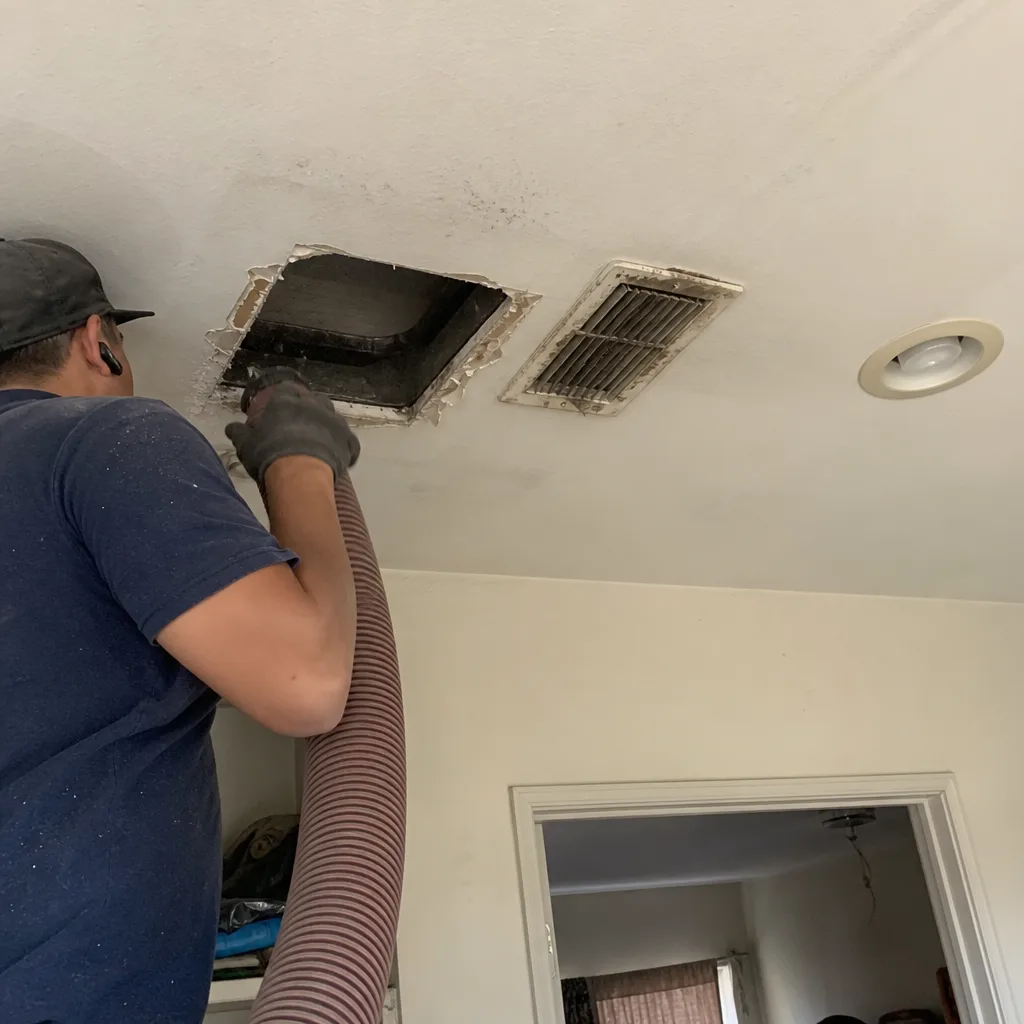
The first step in professional cleaning is physically breaking the bond between debris and duct walls. This is done with a rotary brush system like the Rotobrush line we use on Perris jobs. The brush head rotates at high speed inside the duct, scrubbing all four walls simultaneously with stiff nylon bristles. The bristles are strong enough to dislodge the fine particulate layer, pet hair, and light debris that static charge and humidity have cemented in place. The agitation is mechanical, not aerodynamic, meaning it works on every surface regardless of airflow dynamics. This step is impossible to replicate with a shop vac because a shop vac has no mechanical agitation at all; it relies entirely on suction to lift debris.
Negative-Air Containment
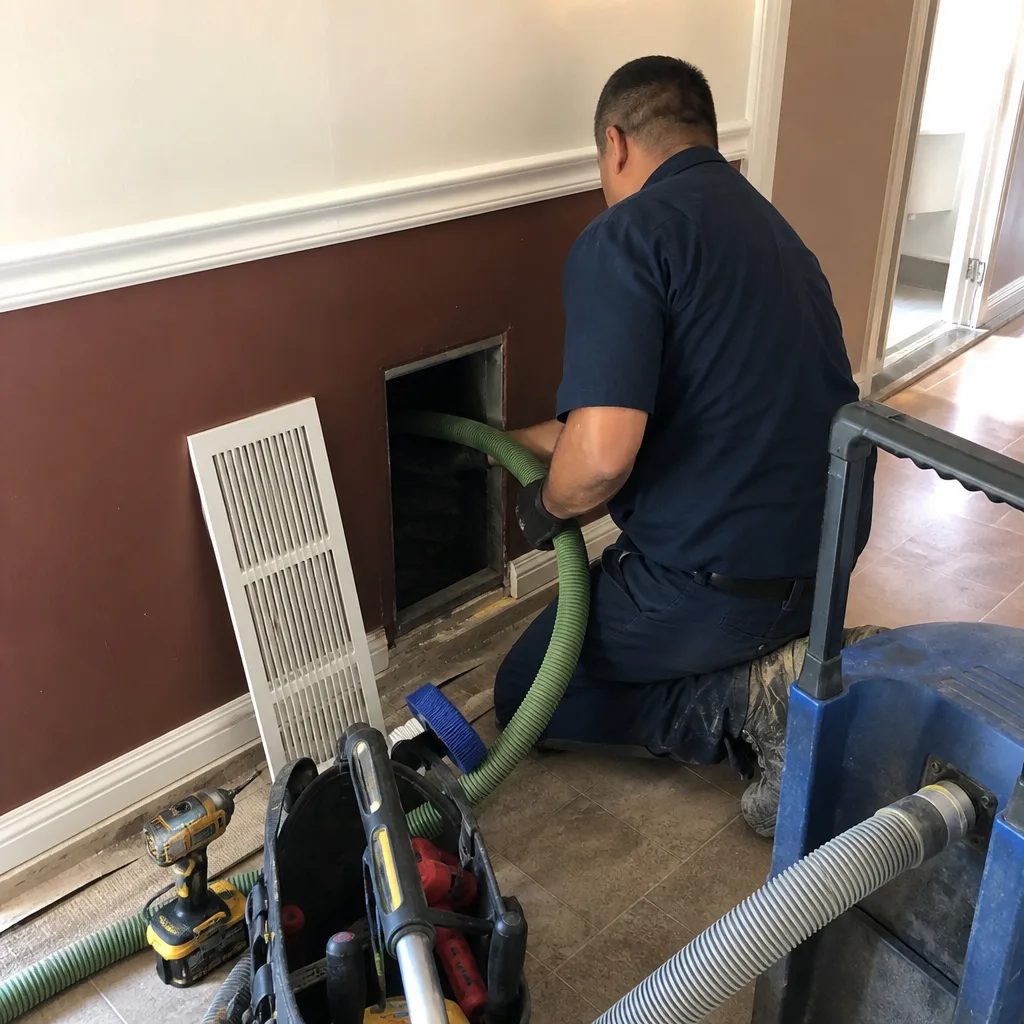
The second principle is sealing the duct system and putting it under negative air pressure. The professional unit connects to the main trunk line, either at the plenum near the air handler or through a sealed access point, and pulls air out of the entire system. Every register is sealed except the one being worked, so air enters the system only through that opening, travels through the ducts, and exits into the collection unit outside the home. This means any particle dislodged by brush agitation is immediately caught in the airstream and carried out of the home. Nothing escapes into the living space. Negative-air containment is the difference between cleaning and stirring, and it is the single biggest reason professional equipment produces a different result than a shop vac.
HEPA-Filtered Extraction
The third principle is what happens to the air after it leaves the duct. Professional extraction units pass the captured air through HEPA filtration, which removes 99.97% of particles 0.3 microns or larger before the air is exhausted. We use Nikro HEPA filtration units on our Perris work. This matters because professional cleaning dislodges fine particulate, and that particulate must be captured, not exhausted into the yard or back into the home. HEPA filtration is the standard that separates genuine cleaning from surface dusting, and it is a standard consumer vacuums cannot meet because their filters are not sealed systems designed for fine-particle capture at high airflow rates.
Additionally, we use Abatement Technologies containment and filtration equipment on our jobs. This is the same standard used in professional remediation environments where containing airborne contaminants is a safety requirement, not a preference. For Perris homeowners dealing with heavy construction dust after a remodel or significant particulate buildup from the valley’s dry conditions, that containment standard is the difference between a cleaning that improves air quality and one that just moves the problem around.
Safe DIY Maintenance Tasks Between Professional Cleanings
Professional duct cleaning is not a weekly or monthly service. In Perris, most homes benefit from a thorough professional cleaning every 3 to 5 years, depending on system age, occupancy, pets, and whether the home is near the dust sources that affect the San Jacinto Valley. Between those cleanings, homeowners can perform several safe maintenance tasks that extend the life of the professional result and keep the visible parts of the system functional.
- Replace or clean HVAC filters on schedule. A standard 1-inch pleated filter should be replaced every 30 to 90 days depending on the filter’s MERV rating and your household dust load. In Perris, where summer HVAC runtime is long and outdoor dust is constant, quarterly replacement is a reasonable baseline. Homes with pets or allergy concerns should check monthly.
- Vacuum and wipe register faces. Remove each supply register with a screwdriver, vacuum both faces with a brush attachment, and wipe down with a damp cloth. Allow to dry fully before reattaching. This is a quarterly task in most homes.
- Vacuum the return air grille and filter slot area. Remove the grille, vacuum the accessible area behind it, and clean the filter slot rails. This prevents dust from being pulled directly into the system through the filter bypass gaps.
- Check and clean the exterior dryer vent hood. Look at the flap or louvers on the exterior vent hood. If lint is visible or the flap does not fully open and close, remove the exterior hood cover and clear visible lint with a vacuum or brush. This does not replace full vent run cleaning, but it keeps the termination point from becoming an immediate fire hazard between professional services.
- Monitor visible duct openings for signs of damage. Rust, water staining, loosened connections, or visible mold growth at any register opening are indicators that the system needs attention, possibly including air duct repair in Perris, not just cleaning. Catch these early and the repair scope stays small.
These tasks are maintenance, not cleaning. They address the surfaces you can see and reach, and they keep the system functional between professional visits.
When DIY Attempts Make the Problem Worse
There are situations where a homeowner with a shop vac and good intentions can actively damage a duct system or worsen an air quality problem. Understanding these scenarios matters because the cost of the mistake is always higher than the cost of just calling a professional in the first place.
Disturbing Mold or Biological Growth
If you see what appears to be mold on the visible interior of a duct, do not vacuum it with a shop vac. The vacuum will not capture the spores; it will aerosolize them and spread them throughout the home. Mold spores that were contained in the duct are now floating through the living space, where they can trigger allergic reactions and respiratory issues. In Perris, where air conditioning runs for months at a time and humidity can be trapped in duct interiors during the cooler months, mold growth is a real concern that requires professional assessment with proper containment before any cleaning begins.
Dislodging Damaged Flex Duct Liner
Many Perris homes have flexible ductwork in the attic. Flexible ducts have an inner liner made of plastic or foil that can become brittle and damaged from heat exposure, age, or rodent activity. Pushing a shop vac hose or a brush kit into a damaged flex duct can tear the liner further, releasing liner fragments into the airstream. Those fragments then blow out through the registers and circulate in the home, or they collect in the duct and restrict airflow. In our experience across Perris, flex duct damage is one of the most common hidden problems we find during professional cleaning, and DIY attempts often turn a cleanable system into one that needs Air Duct Repair in Perris.
Accessing Air Handler Internals
The air handler is the indoor unit of your HVAC system, and it contains the evaporator coil, blower motor, and in some systems, the heat exchanger. These components are delicate, and they are also the most expensive parts of the system to repair or replace. Opening the air handler access panel to vacuum inside risks damaging coil fins, disconnecting wiring, or getting debris into the blower motor housing. Many HVAC manufacturer warranties explicitly exclude damage caused by unauthorized service, and a DIY attempt at internal cleanup could void that coverage. This is a hard line: the air handler is off-limits for DIY work on any system, no exceptions.
Safety note: Duct systems in Perris homes may run through attics that reach 130 degrees or higher during summer months. Working in those spaces without proper ventilation and safety awareness is a heat-exhaustion risk. Professional crews carry fans, hydration, and work in pairs specifically because attic work is physically demanding. If you are considering any DIY work that involves entering the attic, be realistic about the heat and your own physical limits.
The Perris Homeowner Decision Matrix
Every home is different, and the right choice for a 20-year-old Perris home with three dogs and an asthmatic child is not the same as the right choice for a five-year-old home with a single occupant and no pets. Here is a practical decision matrix that maps your specific situation to the appropriate action.
System Age
- Under 5 years old, regular filter changes: DIY maintenance tasks are likely sufficient. The system has not had time to accumulate the deep particulate layer that professional equipment addresses. Keep up with filter replacement and register cleaning.
- 5 to 10 years old: If the home has pets, is near dust sources like the open land east of Perris, or has any occupants with respiratory sensitivity, a professional cleaning is worth serious consideration. The system has accumulated enough fine particulate to affect air quality.
- Over 10 years old, no professional cleaning history: Professional cleaning is strongly recommended. Duct systems of this age in Perris have almost certainly accumulated significant debris, including construction dust from any renovations, and possibly flex duct liner deterioration that needs assessment.
Contamination Type
- Surface dust only, visible at register faces: DIY register cleaning and filter maintenance addresses the visible problem. If deeper dust is suspected, a professional cleaning addresses the hidden portion.
- Pet hair and dander: Pet hair works deep into duct runs and tangles around duct walls. Professional brush agitation is required to remove it; a shop vac simply pulls the top layer and leaves the rest.
- Construction debris, drywall dust, or sawdust: Professional cleaning is required. This debris is heavy, fine, and pervasive. It settles into low points and requires full-system negative-air extraction.
- Visible mold or microbial growth: Professional assessment is mandatory before any cleaning begins. Do not disturb it yourself. Containment protocols are essential to prevent spore spread.
- Dryer vent lint accumulation: For short, straight runs, exterior brushing between professional Dryer Vent Cleaning in Perris service is reasonable. For longer runs with elbows, professional rotary brush cleaning is the only safe approach. Lint fires are a real risk in Perris homes, and lint that remains packed in an elbow after a partial DIY brushing is more dangerous than lint that was never touched.
Household Health Needs
- No allergies or respiratory issues, generally healthy occupants: A professional cleaning every 4 to 5 years is likely sufficient to maintain air quality and system function between DIY maintenance tasks.
- Allergy sufferers, asthmatics, or infants in the home: Professional cleaning on a more frequent schedule, often every 2 to 3 years, is warranted. The fine particulate that DIY equipment cannot remove is precisely the particulate that triggers these conditions. In our experience in Perris, allergy symptoms that respond noticeably to professional duct cleaning are common in valley homes where outdoor dust is constant.
- Immunocompromised occupants: Professional cleaning with HEPA-filtered extraction is the only appropriate service. Air quality matters more for these homes, and the cost of recirculated dust is a health risk, not a comfort issue.
Budget Considerations
- DIY maintenance costs: A shop vac, brush attachment, screwdriver, and replacement filters total perhaps $100 to $300 upfront, with ongoing filter costs of $20 to $50 per year. This is realistic and reasonable for surface maintenance.
- Professional cleaning costs: Full-system professional cleaning with brush agitation, negative-air containment, and HEPA extraction typically runs $400 to $900 for an average Perris home depending on system size, number of returns, and contamination level. This is a scheduled service, not an emergency call, so homeowners can plan for it. We quote one flat price per system before any work begins, so you know the total before we start, not after.
- The cost of not cleaning: A clogged or heavily contaminated system forces your HVAC unit to work harder, which shortens equipment life and raises energy costs. For Perris homeowners running AC daily for five to six months of the year, the energy savings alone often justify professional cleaning on a reasonable schedule. Add the air quality improvements for allergy sufferers, and the value proposition is straightforward.
Common Mistakes to Avoid
- Attempting to clean an entire duct system with a shop vac. The reach and suction power are inadequate for anything beyond the first few feet of each register. The result is a mostly uncleaned system and a homeowner who believes the job is done. We see this regularly in Perris homes where DIY cleaning was attempted, and the duct interiors still show the original dust layer beyond the register openings.
- Using a shop vac on visible mold. Vacuuming mold spreads spores throughout the home and turns a contained problem into an airborne one. Any suspected mold growth requires professional assessment with proper containment before cleaning.
- Pushing brush kits into damaged flex duct. Flexible duct liner that has become brittle or has been chewed by rodents in Perris attics tears easily under brush pressure. The liner fragments end up in the airstream or clog the duct, and the system needs repair instead of just cleaning.
- Buying a “duct cleaning” attachment for a consumer drill or shop vac. These attachments are marketed as professional equivalents and they are not. The agitation is weak, the extraction is nearly nonexistent, and the result is dust being loosened and then recirculated through the home. They cannot replicate negative-air containment or HEPA extraction no matter what the box claims.
- Skipping the dryer vent while cleaning the air ducts. The dryer vent is a separate system with a separate purpose, and it carries the highest fire risk of any exhaust in the home. A home with clean air ducts and a packed dryer vent still has a serious hazard. We treat Dryer Vent Cleaning in Perris as its own dedicated service for exactly this reason.
- Opening the air handler to vacuum inside. The evaporator coil, blower motor, and electrical connections inside the air handler are not DIY territory. Damage here can cost thousands to repair, and manufacturer warranties often exclude damage from unauthorized access.
When to Call a Professional
Call a professional when any of these conditions apply: your ducts have not been professionally cleaned in 5 or more years; you see visible mold, heavy dust buildup, or debris inside any duct opening; anyone in the home has allergies, asthma, or respiratory sensitivity; you have completed a renovation involving drywall work, flooring, or demolition; your dryer vent run is longer than a few feet or has elbows; or your HVAC system is running constantly without maintaining temperature. Each of these conditions signals either contamination that DIY equipment cannot address or a system problem that needs assessment and possibly repair. Our team at Duct Cleaning Perris handles cleaning and Air Duct Repair in Perris in one visit, so you do not need to coordinate multiple contractors if we find damaged sections during the cleaning process. Estimates are free, and we can assess your system before any work begins. Call (844) 728-0966 to schedule an evaluation in Perris.
Frequently Asked Questions
Professional air duct cleaning for an average single-family home in Perris typically ranges from $400 to $900, with the price determined by system size, number of supply and return runs, contamination level, and accessibility of the ductwork. This is a flat per-system quote agreed before work starts, not a per-vent price that grows during the job. Call (844) 728-0966 for an exact quote on your home. Estimates are free.
Low-quote duct cleaning services typically skip the equipment and process steps that define professional work. They use portable vacuums without negative-air containment, skip brush agitation entirely, and charge a teaser price that grows with add-ons once the technician is on-site. The result is a system that looks clean at the register faces but remains contaminated beyond the first few feet. A flat priced professional service using Rotobrush agitation and HEPA extraction costs more because it is doing a different job entirely.
Ask for before-and-after photos of the duct interiors, taken through the same register openings during the service. Professional companies document the work this way routinely. You should see a visible difference in the duct walls from the same camera angle. If a company cannot or will not provide photos, that is a red flag. We provide before-and-after documentation on every cleaning we perform in Perris.
Most Perris homes benefit from professional duct cleaning every 3 to 5 years. Homes with pets, allergy sufferers, heavy dust exposure from the valley’s dry conditions, or recent renovation work may need cleaning more frequently, often every 2 to 3 years. The system age and contamination level matter more than any universal schedule, which is why a professional assessment before committing to service is worthwhile.
You can brush a short, straight dryer vent run from the exterior with a consumer brush kit, and that is a reasonable maintenance task between professional cleanings. However, runs that extend more than a few feet, include elbows, or pass through attic space require professional rotary brush equipment to remove lint from the full length. Partial lint removal leaves packed material in the elbows, which is the exact location where lint fires start. Call (844) 728-0966 for a professional dryer vent evaluation if you are unsure about your run configuration.
Yes, professional duct cleaning with HEPA-filtered extraction removes the fine particulate that triggers allergy symptoms, and that particulate is common in Perris homes because of the valley’s dust-heavy climate and long air-conditioning seasons. Allergy sufferers often report measurable improvement after a thorough professional cleaning, particularly when combined with a quality filtration system.
The Bottom Line
DIY duct cleaning is a maintenance activity, not a cleaning service. It addresses the surfaces you can see and reach: register faces, return grilles, the first few inches of duct, and accessible dryer vent terminations. What it cannot do is remove the fine particulate embedded on duct walls throughout the system, and that particulate is precisely what affects indoor air quality and HVAC efficiency the most. Professional equipment with mechanical agitation, negative-air containment, and HEPA extraction works on a different physical principle, and the result is a different outcome. For Perris homeowners who want the air moving through their homes to be cleaner, not just stirred around, professional cleaning is the only option that delivers on that promise. Call (844) 728-0966 for a free estimate, and we will tell you honestly whether your system needs a professional cleaning or your DIY maintenance is sufficient.
Written by the team at Duct Cleaning Perris, serving Perris since 2014.
See the difference
 Before
 After
 Before
 After
 Before
 After